


Building a Dream Team: Navigating the Startup Hiring Maze
Hiring the right team is crucial for any startup. One wrong move can derail your entire venture. This listicle reveals six common startup hiring mistakes that can cost you time, money, and momentum. Learn how to avoid pitfalls like rushing the process, prioritizing experience over cultural fit, neglecting skills tests, and overlooking diversity. We’ll show you how to build a strong foundation for success by avoiding these critical startup hiring mistakes.
1. Hiring Too Quickly Without a Clear Strategy
One of the most common startup hiring mistakes is rushing into hiring without a defined strategy. Driven by the pressure to scale rapidly, especially after securing funding, founders often prioritize speed over strategy. This reactive approach leads to mismatches between business needs and new hires, resulting in wasted resources and potential layoffs down the line. Building the right team is crucial for avoiding these pitfalls. A strong team can help you define a clear hiring strategy and make informed decisions. For guidance on building a strong foundation for your startup team, check out this resource: how to build a startup team from IndieMerger.
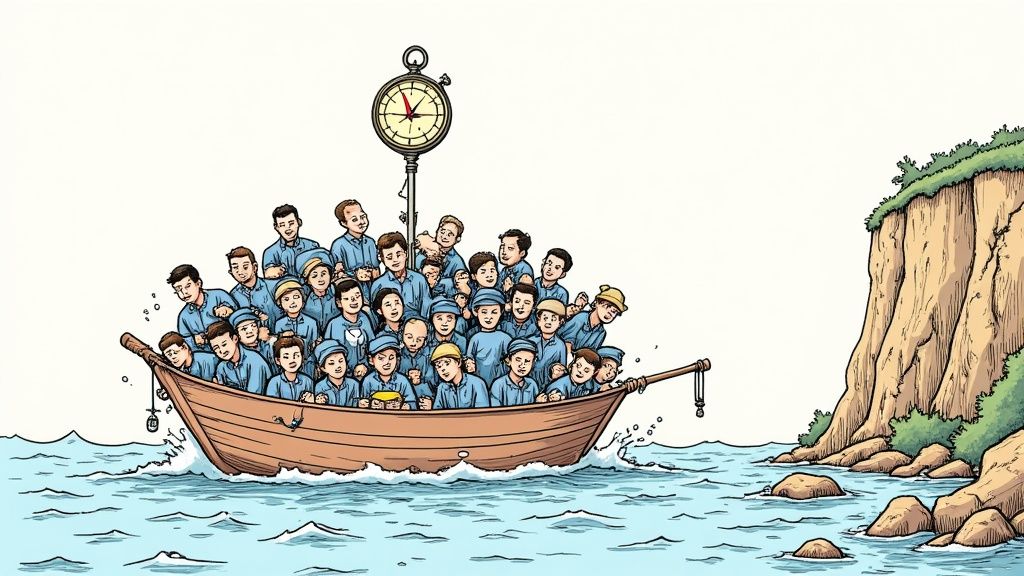

This impulsive hiring often manifests as a lack of clearly defined job roles and responsibilities. Without a long-term workforce plan, hiring becomes reactionary rather than strategic. The resulting misalignment between business goals and hiring decisions can have significant consequences. Learn more about Hiring Too Quickly Without a Clear Strategy
Cons of Hiring Too Quickly:
- Wasted resources: Salaries, benefits, and onboarding costs are sunk into positions that may not be necessary.
- High turnover: As the company pivots and roles evolve, hastily hired employees may find themselves redundant, leading to layoffs and a high turnover rate.
- Skill mismatches: Without a clear understanding of required skills, new hires may lack the expertise needed to contribute effectively.
- Damaged company culture: Layoffs and restructuring can negatively impact morale and create a sense of instability within the team.
Examples of This Startup Hiring Mistake:
- Snapchat: In 2018, Snapchat’s aggressive hiring spree was followed by layoffs of around 7% of its workforce when anticipated growth failed to materialize.
- WeWork: The company’s rapid expansion and hiring before its failed IPO resulted in massive layoffs of thousands of employees. This highlights the dangers of prioritizing speed over strategic hiring aligned with realistic growth projections.
Tips to Avoid This Startup Hiring Mistake:
- Create a hiring roadmap: Develop a 12-18 month hiring plan directly tied to your business objectives. This roadmap should outline the specific roles needed at each stage of growth.
- Define KPIs: Before hiring for any role, establish key performance indicators (KPIs). This clarifies expectations and ensures alignment between individual contributions and overall business goals.
- Consider contractors: For short-term projects or specialized needs, consider using contractors before committing to full-time hires. This provides flexibility and allows you to assess long-term needs more accurately.
- Regular organizational reviews: As your company evolves, regularly review your organizational structure. This helps identify redundancies, emerging needs, and opportunities for internal mobility, reducing the need for reactive hiring.
This approach deserves a prominent place on the list of startup hiring mistakes because it’s a foundational issue. Addressing this mistake early on sets the stage for strategic team building, efficient resource allocation, and a stronger, more resilient company. By taking a proactive and planned approach to hiring, startups can avoid costly mistakes and build a team equipped for long-term success.
2. Prioritizing Experience Over Cultural Fit
One of the most common startup hiring mistakes is overemphasizing experience over cultural fit. In the rush to build a team, startups often prioritize candidates with impressive resumes and extensive technical skills, overlooking the crucial aspect of how well that individual aligns with the company’s values, mission, and working style. This can be a critical error, especially in the close-knit environment of a young company. A technically brilliant employee who clashes with the team’s culture can disrupt productivity, create conflict, and ultimately hinder the startup’s progress. This mistake stems from a belief that skills alone guarantee success, while ignoring the crucial role of teamwork, communication, and shared values in driving a startup forward.

This overemphasis on technical skills often manifests in several ways: an excessive focus on past achievements and titles, insufficient assessment of soft skills like communication and adaptability, a lack of clearly defined company values to measure against, and a failure to involve the existing team in the hiring process. While a highly skilled individual can potentially contribute valuable expertise (a definite pro), the cons of a poor cultural fit can quickly outweigh this benefit. These cons include: poor team cohesion and collaboration, increased workplace conflicts, higher turnover rates due to misalignment, and potential damage to the established company culture. Zappos CEO Tony Hsieh famously estimated that poor culture fits had cost the company over $100 million, highlighting the substantial financial impact of this hiring mistake. In contrast, companies like Netflix, whose CEO Reed Hastings has documented their culture-focused hiring philosophy, demonstrate the power of prioritizing values alignment.
This mistake deserves a place on this list because it’s a pervasive issue that can significantly impact a startup’s trajectory. Early-stage companies, in particular, are vulnerable to the disruptive effects of a poor cultural fit. In smaller teams, where everyone works closely together, a single misaligned individual can have an outsized negative impact.
Actionable tips to avoid this startup hiring mistake:
- Define your company values: Before starting the hiring process, explicitly define your company’s core values and the culture you’re striving to build. This provides a clear framework against which to assess candidates.
- Involve the team: Include team members in the interview process, not just to assess technical skills, but also to gauge cultural fit. Their perspectives can provide valuable insights into how a candidate might integrate into the existing team dynamics.
- Behavioral interview questions: Ask behavioral interview questions that reveal how candidates have handled situations in the past, providing clues about their alignment with your company values. Examples include: “Tell me about a time you had to deal with a difficult teammate,” or “Describe a time you had to adapt to a significant change in your work environment.”
- Trial projects: Consider incorporating trial projects or short-term contracts to observe how candidates work within the existing team and company culture before making a full-time offer.
- Structured onboarding: Implement a structured onboarding process that emphasizes cultural integration, helping new hires understand and embrace the company’s values and working style.
By prioritizing cultural fit alongside technical skills, startups can build stronger, more cohesive teams, foster a positive work environment, and ultimately increase their chances of success. This approach is particularly relevant for startups in fast-paced industries like SaaS, FinTech, and HealthTech, where teamwork and adaptability are crucial for navigating constant change and innovation. It’s a valuable lesson for startup founders seeking executive talent, small to medium-sized businesses, and entrepreneurs facing challenges in executive recruitment – a strong culture fit is a crucial ingredient for long-term success.
3. Neglecting to Test for Actual Skills
One of the most common startup hiring mistakes is neglecting to test for actual skills. Many startups, eager to fill roles quickly, rely too heavily on resumes, interviews, and reference checks without properly assessing a candidate’s practical abilities. This often leads to hiring individuals who interview well but lack the necessary skills to perform effectively in the role. Skills-based testing, on the other hand, provides objective data about a candidate’s capabilities and can reveal hidden talents that might not be apparent from credentials alone. This is particularly crucial for startups, where every hire is a significant investment and poor performance can severely impact the company’s trajectory.
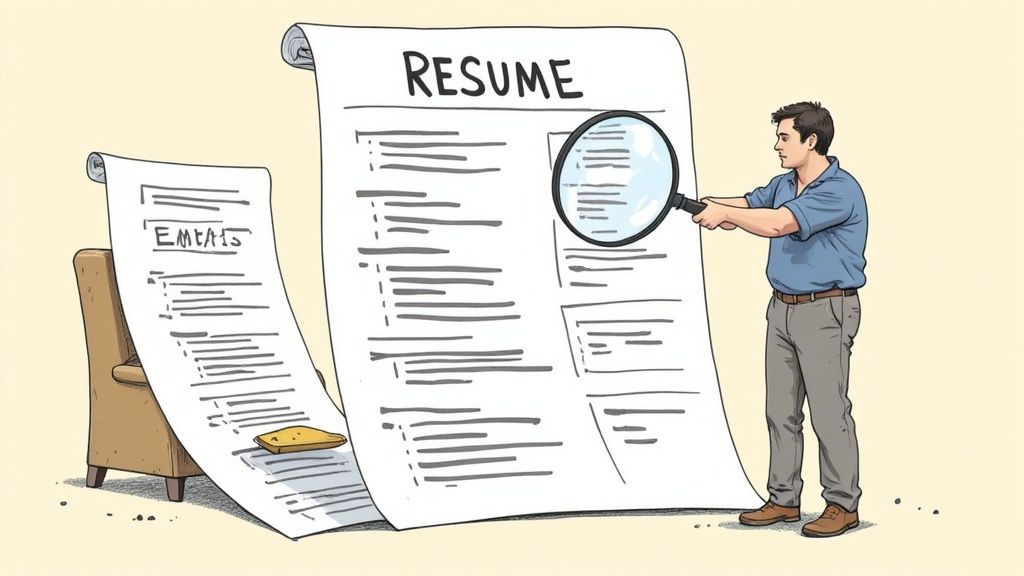
This over-reliance on traditional hiring methods often manifests in several ways: an overemphasis on resume credentials and the prestige of past company names, interview processes that prioritize theoretical knowledge over practical skills, a lack of standardized assessment methods for key roles, and a failure to verify claimed abilities with practical tests. This approach can be particularly detrimental for startups operating in fast-paced industries like SaaS, FinTech, and HealthTech where specialized skills are essential for success.
The consequences of neglecting skills assessments can be significant. Hiring underqualified candidates, even those who present themselves impressively during interviews, leads to discovering skill gaps only after the hire is made. This, in turn, results in wasted time and resources on training or, worse, replacing poor fits. Team productivity suffers while colleagues compensate for skill deficiencies. This can be particularly damaging for startups with limited resources and tight deadlines.
Conversely, prioritizing skills-based assessments offers numerous benefits. For instance, Google found that brain teasers and puzzle questions were poor predictors of job success compared to structured skills assessments. Similarly, Stripe implements coding projects that mirror actual job tasks instead of whiteboard algorithm exercises, ensuring candidates can handle real-world challenges. These examples highlight the value of practical testing in predicting on-the-job performance.
To avoid this critical startup hiring mistake, consider the following tips:
- Design role-specific work samples: Simulate actual job tasks to evaluate a candidate’s ability to perform in the role. This is particularly important for executive roles where strategic decision-making and leadership skills are crucial.
- Implement paid trial periods or project-based assessments: For critical roles, a short-term trial period can provide valuable insights into a candidate’s skills and cultural fit within your organization.
- Use standardized technical assessments: For technical positions, utilize established assessments to evaluate coding proficiency, problem-solving skills, and technical knowledge.
- Have candidates demonstrate skills in real-time: Rather than simply discussing their abilities, ask candidates to showcase their skills through practical demonstrations or presentations.
- Consider blind skills testing: To reduce unconscious bias, implement blind assessments where identifying information is removed initially, allowing for a more objective evaluation of skills.
These strategies, popularized by industry leaders like Laszlo Bock (former Google HR chief), Patrick and John Collison (Stripe), and Joel Spolsky (Fog Creek Software), can significantly improve the effectiveness of your hiring process. Learn more about Neglecting to Test for Actual Skills and refine your approach to talent acquisition. By focusing on demonstrable skills, startups can build high-performing teams and avoid costly hiring mistakes. This is especially pertinent for startups seeking executive talent, where the right hire can make a significant impact on the company’s growth and success.
4. Hiring Through Desperation: A Costly Startup Hiring Mistake
One of the most common startup hiring mistakes is hiring through desperation. This occurs when startups wait until they are critically understaffed to fill a position, leading to compromised quality and hasty decisions. Driven by pressure to fill the gap quickly, founders often lower their standards, shorten interview processes, and neglect thorough background checks. This approach might provide temporary relief, but it often results in long-term problems. This desperate hiring typically happens when a startup experiences rapid, unexpected growth, or when a key employee suddenly departs, leaving a critical void.

Features of desperation hiring include: shortened interview processes to speed up hiring; lowered standards for qualifications and experience; rushed background and reference checks; and limited involvement from team members in the decision-making process. These shortcuts may seem expedient in the moment, but they significantly increase the risk of a bad hire.
The consequences of desperation hiring can be severe. It leads to a higher probability of poor performance and cultural misalignment. New hires who aren’t a good fit are more likely to leave, contributing to increased turnover and associated costs. A bad hire can also negatively impact team morale and product quality. Ultimately, resources are wasted on onboarding and training unsuitable candidates, resources that a startup can ill afford to lose.
Examples of the dangers of desperation hiring are abundant. Uber’s early, rapid growth led to the company hiring drivers without sufficient background checks, resulting in safety issues and regulatory problems. More recently, many startups during the 2021 hiring boom made compromised hires due to intense competition for talent, leading to extensive layoffs in 2022-2023. These examples highlight the importance of avoiding desperation hiring, even under pressure.
So, how can startups avoid this common pitfall? The key is proactive planning and a structured hiring process. Develop a talent pipeline before urgent needs arise. Network actively and build relationships with potential candidates through industry events and online platforms. Create a bench of pre-vetted freelancers who can help during transition periods. Most importantly, implement a consistent and thorough hiring process that doesn’t get shortened or compromised under pressure. Consider internal promotions or role adjustments before resorting to external hiring.
This approach deserves a prominent place on the list of startup hiring mistakes because it’s a trap many founders fall into. While the pressure to fill a role quickly is understandable, succumbing to desperation hiring is a short-sighted solution that often exacerbates the problem. By prioritizing proactive planning and a consistent hiring process, startups can avoid the costly consequences of desperation hiring and build a strong, thriving team.
5. Overlooking Diversity and Inclusion: A Critical Startup Hiring Mistake
One of the most detrimental startup hiring mistakes is overlooking diversity and inclusion (D&I). In the rush to build a team, many startups prioritize speed and familiarity, often relying on the founders’ existing networks. This approach frequently leads to homogeneous teams, composed of individuals with similar backgrounds, experiences, and perspectives. While this might seem efficient in the short term, it significantly limits a startup’s potential for innovation, problem-solving, and overall success, solidifying its place as a critical hiring mistake to avoid. This oversight can severely hinder a startup’s growth trajectory and negatively impact its long-term viability.
Why Diversity and Inclusion Matter:
Research consistently demonstrates that diverse teams outperform homogeneous teams across a range of metrics. They bring a wider range of perspectives to the table, fostering more creative brainstorming sessions and innovative solutions. Diverse teams are also better equipped to identify potential blind spots and mitigate risks, leading to more robust and well-rounded strategies. Furthermore, a diverse workforce allows startups to better understand and serve a wider range of customers, ultimately increasing market reach and revenue potential.
Features of this Hiring Mistake:
- Over-reliance on personal networks for recruiting: This often leads to a lack of diversity in the candidate pool.
- Unconscious bias in job descriptions and interview processes: Bias can creep into the hiring process through language choices and subjective evaluation criteria.
- Lack of structured hiring procedures that ensure equal evaluation: Without standardized procedures, bias can easily influence hiring decisions.
- Failure to actively seek candidates from diverse backgrounds: A passive approach to recruiting rarely yields diverse results.
Pros of Prioritizing Diversity and Inclusion:
- Broader perspectives and increased creativity: Diverse teams bring a wider range of experiences and ideas, leading to more innovative solutions.
- Improved problem-solving through varied approaches: Different perspectives allow teams to approach problems from multiple angles, leading to more effective solutions.
- Better understanding of diverse customer bases: A diverse team can better understand and cater to the needs of a diverse customer base.
- Enhanced company reputation and ability to attract top talent: A commitment to D&I can significantly enhance a company’s reputation and attract top talent from diverse backgrounds.
Cons of Neglecting Diversity and Inclusion:
- Limited perspectives and potential blind spots: Homogeneous teams are more likely to miss crucial insights and make decisions based on limited perspectives.
- Difficulty appealing to diverse customer bases: A lack of diversity within the team can hinder a startup’s ability to understand and connect with diverse customer segments.
- Challenges attracting diverse talent as the company grows: A lack of D&I can create a negative reputation, making it harder to attract top talent from diverse backgrounds.
- Potential legal and reputational risks: Discrimination lawsuits and reputational damage can be costly and detrimental to a startup’s success.
Successful Implementations:
- Slack: Implemented a “Rooney Rule” approach, requiring diverse candidate slates for all positions.
- Airbnb: Addressed its diversity challenges by creating dedicated diversity recruiting teams and partnerships with organizations focused on underrepresented groups.
Actionable Tips for Startups:
- Use inclusive language in job descriptions: Avoid gender-coded terms and focus on skills and experience.
- Implement structured interviews: Develop consistent questions for all candidates to ensure fair evaluation.
- Partner with diverse professional organizations and educational institutions: This can broaden the reach and attract candidates from underrepresented groups.
- Consider blind resume screening: This helps reduce unconscious bias during the initial screening process.
- Establish diversity goals and regularly measure progress: Setting measurable goals helps track progress and ensure accountability.
- Create an inclusive workplace culture: A welcoming and inclusive environment is crucial for retaining diverse talent.
When and Why to Prioritize D&I:
Diversity and inclusion should be prioritized from the very beginning of the hiring process. Building a diverse and inclusive team is not just a “nice-to-have,” it’s a business imperative that directly impacts a startup’s ability to innovate, grow, and succeed in today’s competitive market. By avoiding this common startup hiring mistake and actively embracing D&I, startups can unlock their full potential and build a stronger, more resilient future. Leaders like Stewart Butterfield (Slack), Brian Chesky (Airbnb), and Ellen Pao (Project Include) have championed the importance of D&I, demonstrating its crucial role in building successful and innovative companies.
6. Ineffective Onboarding Processes: A Costly Startup Hiring Mistake
One of the most common, and often overlooked, startup hiring mistakes is neglecting the onboarding process. Many startups invest heavily in attracting and recruiting top talent, only to drop the ball once the offer letter is signed. This oversight can lead to a host of problems, ultimately hindering growth and impacting the bottom line. Ineffective onboarding processes are a significant contributor to slow productivity ramps, decreased employee engagement, and ultimately, higher early-stage turnover – all critical challenges for resource-strapped startups. This is why addressing onboarding strategically deserves its place on this list of critical hiring mistakes to avoid.
In essence, onboarding is the process of integrating a new hire into the company culture and providing them with the tools and knowledge necessary to succeed in their role. Without a structured approach, new employees are left to fend for themselves, struggling to understand expectations, navigate internal processes, and contribute effectively. This leads to confusion about responsibilities and reporting structures, making it difficult to build cohesive teams with a shared understanding. Extended time to productivity is a direct consequence, costing the startup valuable time and resources.
Features of ineffective onboarding often include a lack of formalized procedures and documentation, insufficient time allocated for new hire integration, unclear expectations and performance metrics, and inadequate introduction to company culture, values, and working norms. The cons, as mentioned earlier, translate directly into higher early-stage turnover rates, extended time to productivity, and difficulty in fostering a cohesive team environment.
Consider these compelling examples: Buffer, a social media management platform, developed a comprehensive 45-day onboarding buddy system that resulted in a remarkable 30% improvement in retention. Similarly, LinkedIn found that employees who underwent structured onboarding were 58% more likely to stay with the company for three or more years. These statistics underscore the significant impact of a well-designed onboarding program.
So, when and why should you focus on onboarding? The answer is simple: always. From the moment a candidate accepts an offer, the onboarding process should begin. A proactive and structured approach is essential for setting new hires up for success, fostering a sense of belonging, and minimizing the time it takes for them to become productive contributors.
Here are some actionable tips to create an effective onboarding process:
- Create a standardized onboarding checklist customized for each role: This ensures consistency and covers all essential aspects of integration.
- Assign an onboarding buddy or mentor for each new hire: This provides personalized support and guidance during the initial stages.
- Schedule regular check-ins during the first 30, 60, and 90 days: This allows for ongoing feedback and addresses any challenges promptly.
- Prepare workspaces and required tools before the employee’s first day: This demonstrates organization and respect for the new hire’s time.
- Include cultural integration activities, not just technical training: This helps new employees understand the company’s values and working norms.
- Document tribal knowledge and make it accessible to new team members: This accelerates learning and reduces reliance on constant questioning.
- Collect feedback to continuously improve the onboarding process: Regularly assess and refine the program based on new hire experiences.
For a deeper dive into best practices, especially for executive onboarding, learn more about Ineffective Onboarding Processes. This resource can offer further guidance on tailoring your approach for leadership roles.
By avoiding this common startup hiring mistake and investing in robust onboarding, you can significantly improve employee retention, accelerate time to productivity, and build a stronger, more cohesive team. This translates directly into a more successful and sustainable business. Ignoring onboarding, on the other hand, is a recipe for frustration, wasted resources, and ultimately, hindering the growth of your startup.
Top 6 Startup Hiring Mistakes Compared
| Mistake | Implementation Complexity 🔄 | Resource Requirements ⚡ | Expected Outcomes 📊 | Ideal Use Cases 💡 | Key Advantages ⭐ |
|---|---|---|---|---|---|
| Hiring Too Quickly Without a Clear Strategy | High – requires strategic planning & roadmap | High – needs time & effort for role definition | Often misaligned hires, inefficient resource use | Startups scaling rapidly or post-funding rounds | Enables long-term alignment and workforce planning |
| Prioritizing Experience Over Cultural Fit | Medium – requires cultural assessment setup | Medium – involves team participation in hiring | Potentially skilled hires but poor team cohesion | Early-stage startups valuing team dynamics | Ensures team cohesion and sustained culture fit |
| Neglecting to Test for Actual Skills | Medium – needs development of practical tests | Medium – requires time/resources for assessments | Risk of underqualified hires, wasted onboarding | Roles requiring technical or practical expertise | Objective evaluation of candidate capabilities |
| Hiring Through Desperation | Low – process often shortened under pressure | Low to Medium – rushed checks and interviews | Compromised hire quality, high turnover risk | Emergency staffing during critical growth phases | Quick staffing to address urgent business needs |
| Overlooking Diversity and Inclusion | Medium – needs structured inclusive processes | Medium to High – training & partnerships needed | Homogeneous teams with limited innovation | Building diverse, innovative long-term teams | Drives creativity, problem-solving & market reach |
| Ineffective Onboarding Processes | Medium – requires formalized procedures | Medium – manpower for mentoring and documentation | Slow productivity ramp, higher early turnover | Startups aiming for fast integration and retention | Accelerates productivity and improves retention |
Level Up Your Startup Hiring Game
Avoiding startup hiring mistakes is crucial for building a thriving business. We’ve covered six critical errors to avoid: rushing the hiring process, prioritizing experience over culture, neglecting skills tests, hiring out of desperation, overlooking diversity and inclusion, and implementing ineffective onboarding. By understanding these common pitfalls, you can significantly increase your chances of building a strong, cohesive, and high-performing team. Mastering these concepts allows you to not just fill roles, but to strategically acquire talent that fuels growth and propels your startup towards success. Remember, each hire is an investment in your company’s future, impacting not just your team’s dynamics but also your bottom line and overall trajectory.
These mistakes can be costly, both financially and in terms of team morale. Prioritizing a well-defined hiring strategy, emphasizing cultural fit, and implementing robust onboarding processes are key to long-term success. By focusing on these elements, you build a foundation for a team that’s not only skilled but also aligned with your company’s vision and values.
Want to bypass these startup hiring mistakes and build a dream leadership team without the headaches? Shiny offers access to a pool of 650+ vetted fractional executives, providing expertise and leadership on a flexible basis. Visit Shiny to explore how fractional executives can help you scale your startup efficiently and avoid costly hiring mistakes.