



Understanding Modern Talent Management Solutions


Companies need smarter ways to find and keep great employees. Talent management solutions are now essential tools that help businesses develop their workforce effectively. These platforms do more than just handle HR tasks – they help companies build strong teams that drive business growth.
Modern talent management gives companies a complete view of the employee journey. From hiring new team members to helping them grow in their careers, these systems connect different HR processes seamlessly. Think of a platform that can spot skill gaps, track performance, and suggest personalized training – all while helping employees reach their career goals.
Key Components of Effective Talent Management Solutions
The best talent management systems include several important features:
- Recruitment and Onboarding: Tools to find great candidates and help them start smoothly, including application tracking and onboarding guides
- Performance Management: Systems for goal-setting and feedback, including 360-degree reviews from peers and managers
- Learning and Development: Resources for training and skill building to help employees advance
- Compensation and Benefits: Tools to handle pay, benefits, and stay compliant with laws
- Succession Planning: Methods to spot and prepare future leaders
These pieces work together to support employees throughout their time with the company. Each business can pick the features that match their needs. Recent research shows strong growth in this field – the global talent management software market reached USD 9.96 billion in 2023 and is set to grow 12.5% yearly from 2024 to 2030. Companies see the value in keeping their best people happy and engaged.
The Impact of Talent Management Solutions on Organizational Success
Good talent management brings clear benefits:
- Increased Employee Engagement: People work better when they feel supported and valued
- Improved Retention Rates: Happy employees stay longer when their work feels meaningful
- Enhanced Productivity and Performance: The right tools help teams do their best work
- Stronger Leadership Pipeline: Planning ahead ensures qualified leaders are ready to step up
- Data-Driven Decision Making: Clear insights help companies make smart choices about hiring and development
A good talent management system helps companies build stronger teams. When employees have what they need to succeed, both they and the business do better. Success requires adapting to new ways of managing talent, and picking the right tools is key.
“Essential Features that Drive Organizational Success” section:
Essential Features That Drive Organizational Success
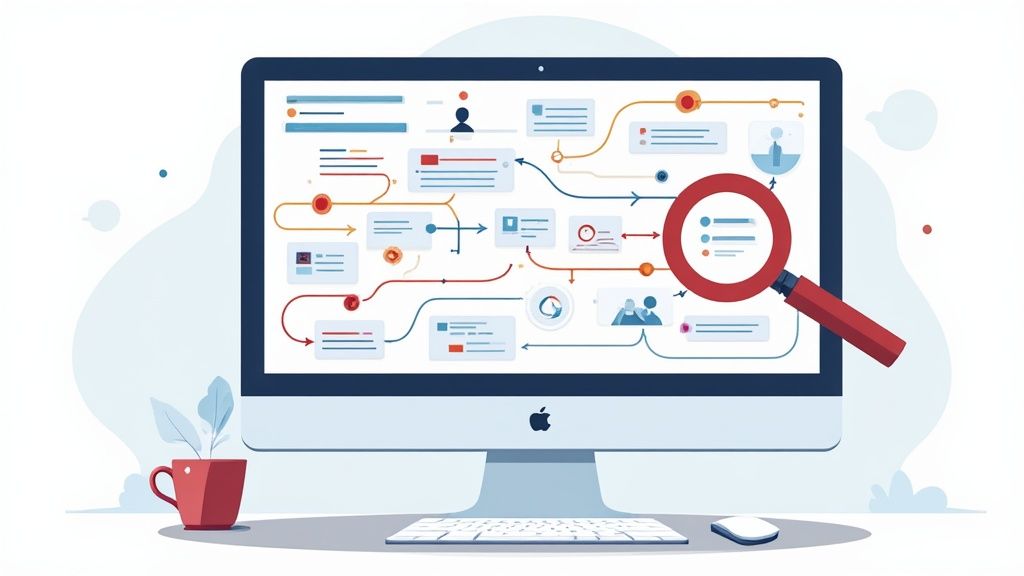
Modern talent management tools do much more than basic HR tasks – they actively shape how companies develop and engage their workforce. The right features create smooth employee experiences across the entire journey, from hiring through career growth.
Integrated Recruitment and Onboarding
Smart hiring is just the beginning. Today’s talent management systems make recruiting simpler with tools for tracking applicants, scheduling interviews, and welcoming new team members. Companies can design personalized onboarding paths that help recent hires understand both their role and company culture.
The data shows room for improvement – 62% of employees say onboarding didn’t clearly explain company culture. And 34% of candidates now wait 1-2 months to hear back about applications.
Performance Management and Development
Once employees join, ongoing growth becomes key. Good talent management platforms offer tools for setting goals, sharing feedback, and conducting reviews. Managers can track progress, spot areas needing improvement, and give team members resources to build new skills.
These systems can create custom learning plans based on each person’s skill gaps and career goals. Advanced features help identify what skills the company will need in the future, so training programs stay ahead of demands.
Succession Planning and Retention
Planning for the future is vital. Talent management tools help identify promising leaders and develop their abilities early. This preparation ensures smooth leadership transitions with minimal disruption.
The focus on growth and development directly improves retention. Nearly 50% of employees aren’t clear on what’s expected of them at work – a major cause of disengagement and turnover. By setting clear expectations and offering growth opportunities, companies can keep their best people longer and build stronger teams.
Building Your Implementation Strategy for Success

Taking your talent management solution from selection to active use requires careful planning. A solid implementation strategy helps ensure your new system delivers real value and fits smoothly into your organization’s workflow and culture. Success depends on more than just installing software – it requires thoughtful integration with your existing processes.
Key Steps for Successful Implementation
Break down the implementation into manageable phases:
- Planning and Assessment: Start by mapping out your organization’s specific needs and goals. Get input from key team members across departments to spot potential challenges early and build alignment.
- Vendor Selection: Pick a vendor that matches your requirements. Look at their track record with similar implementations, support quality, and understanding of your field – not just their feature list.
- Data Migration and System Integration: Move existing data carefully to maintain accuracy and completeness. Connect the new system with your current HR tools to create smooth workflows.
- Training and Change Management: Build confidence through role-specific training programs. Keep communication open, address concerns promptly, and provide extra support to encourage early system adoption.
Following this structured approach helps avoid common problems and creates a strong foundation. When done right, implementation sets you up to get the most from your talent management investment.
Building Momentum for Long-Term Success
The work isn’t over after launch. Keep the momentum going to ensure lasting benefits:
- Establish Clear Success Metrics: Set concrete goals for measuring impact on engagement, retention, and performance. Track these indicators to prove ROI and find areas to improve.
- Ongoing Support and Optimization: Help users overcome challenges and fix technical issues quickly. Review how people use the system and gather their input to make it work better over time. Adapt the solution as your organization grows and changes.
- Create a Culture of Continuous Improvement: Listen to feedback from all users and use it to refine processes. Build an environment where teams embrace better ways of managing talent, helping your organization stay competitive.
A thoughtful approach to implementation, backed by steady support and refinement, turns your talent management system into a lasting advantage. Focus on careful planning and consistent improvement to get the full benefit of your investment.
Maximizing Return on Talent Investment

When companies invest in talent management systems, they need clear strategies to get real value from that investment. The key is connecting talent management outcomes – like better employee engagement and retention – to actual business results. Let’s look at how successful companies get measurable benefits from their talent programs.
Measuring the Impact of Talent Management Solutions
To show real results, start by setting specific metrics tied to business goals. For example, if your company wants to boost sales, track how talent initiatives affect sales performance over time. Here are some key metrics to monitor:
- Employee Retention Rates: Monitor how long people stay after implementing new talent programs
- Time-to-Productivity: Track how fast new hires get up to speed
- Employee Engagement: Use regular surveys to check satisfaction levels
- Internal Promotions: Keep tabs on promotions of internal candidates
Regular tracking of these numbers helps prove the value to company leaders and points the way to ongoing improvements.
Data-Driven Development Programs
Quality talent management systems provide insights that shape smarter training programs. The data shows exactly where skill gaps exist, so companies can create targeted training that addresses real needs. For instance, if reports highlight that many employees need better communication skills, the company can focus resources there.
The data also helps create custom learning paths for each employee. When people have clear development plans aligned with their goals, they tend to stay longer and grow faster in their roles.
Strategic Workforce Planning and Succession Management
Good talent data guides long-term workforce planning. By analyzing employee skills, performance trends, and team demographics, companies can better predict future talent needs. This helps them hire and develop people proactively for key positions.
The data also strengthens succession planning by spotting high-potential employees early. Companies can then create focused development plans to prepare these people for leadership roles. This advanced planning ensures business continuity when leaders move on and helps the organization adapt as needs change. When used well, talent management becomes central to achieving lasting business success through informed decisions about people and skills.
Emerging Technologies in Talent Management
Modern talent management is being modernized by Artificial Intelligence (AI), Machine Learning (ML), and Predictive Analytics. Let’s look at how these tools are impacting recruitment and employee development in practical ways.
Smart Candidate Screening with AI
Artificial Intelligence has introduced new ways to find and assess job candidates. Companies can now look beyond standard resumes by analyzing multiple data points from assessments, video interviews, and online presence. Key benefits include:
- Faster initial resume screening based on specific skills and requirements
- More objective evaluation by reducing human bias
- Time savings for HR teams to focus on candidate interaction
- Better matching of candidates to company culture
Tailored Employee Development Through ML
Machine Learning makes professional development more effective by creating custom learning experiences. When analyzing employee performance data, ML can:
- Identify individual skill gaps that need addressing
- Suggest relevant training content and resources
- Track learning progress and effectiveness
- Enable data-driven decisions about training investments
- Adapt recommendations based on career goals
Data-Driven Workforce Planning
Predictive Analytics helps companies prepare for future talent needs by examining:
- Historical employment data and trends
- Current workforce demographics
- Industry hiring patterns
- Internal mobility patterns
- Potential skill shortages
This approach allows organizations to:
- Forecast future hiring requirements
- Identify retention risks early
- Plan succession more effectively
- Make informed decisions about talent development
- Maintain agility in workforce planning
The data provides clear insights to help companies build and maintain the skilled teams they need as their business grows and changes.
Fostering a Culture of Continuous Growth
Growing your talent requires creating an environment where employees can develop, learn, and thrive. When team members feel supported and empowered, they’ll go above and beyond expectations. Let’s explore practical ways successful organizations build growth-oriented cultures.
Building a Learning Environment
Learning should be woven into daily work, not treated as a one-off event. Some effective approaches include:
- Providing access to online learning resources
- Setting up mentorship programs
- Creating opportunities for cross-team projects
- Encouraging knowledge sharing between team members
When learning becomes part of your company’s DNA, everyone takes on both teacher and student roles. This shared ownership of development helps build a collaborative, growth-focused culture.
The Power of Feedback and Recognition
Regular, constructive feedback drives improvement. Modern talent management tools enable:
- Structured performance reviews
- 360-degree feedback from peers and managers
- Frequent check-ins and coaching conversations
Recognition is equally important. Simple gestures like public praise, small rewards, or extra time off can significantly boost morale when given promptly and specifically. These small investments in recognition yield big returns in engagement and motivation.
Using Technology to Enhance Human Connection
While technology helps manage talent processes, it should complement rather than replace personal interaction. The right tools can:
- Streamline administrative tasks
- Track development progress
- Suggest personalized learning paths
This frees up managers to focus on meaningful conversations, mentoring, and team building. Finding the right mix of tech and human elements creates stronger workplace bonds.
Measuring the Impact of Cultural Initiatives
Track key metrics to assess your culture-building efforts:
- Employee engagement scores
- Staff retention rates
- Internal promotion percentages
- Learning program completion rates
This data shows what’s working and where to improve. A strong culture directly impacts business success through higher productivity, innovation, and staff satisfaction.
Looking to build an outstanding team culture? Shiny provides fractional executive talent to help transform your organization. Connect with our experts to learn more.