
Interim Executive Solutions: Driving Business Growth Through Strategic Leadership
The Evolution of Modern Interim Leadership
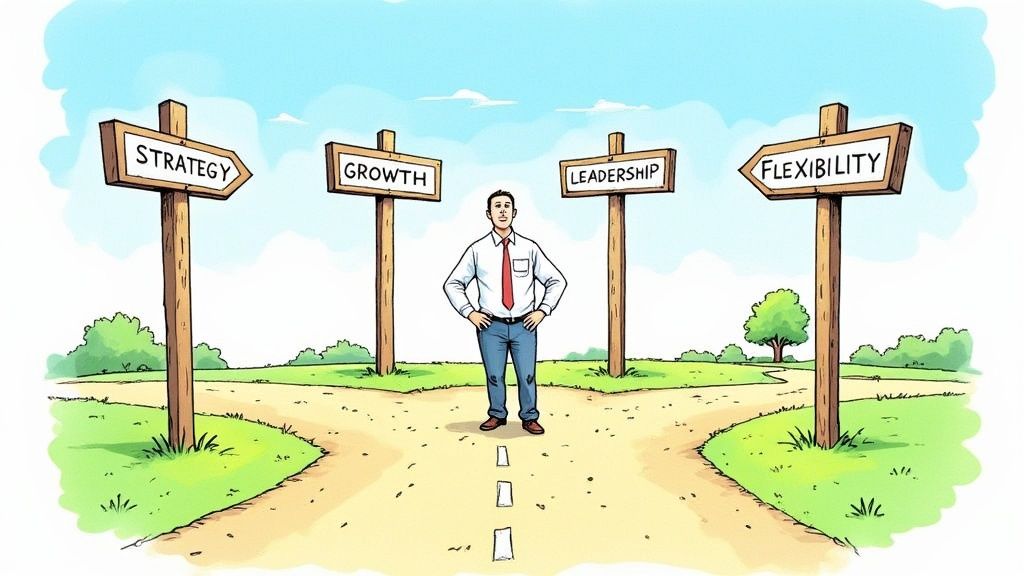
Companies face constant change and new challenges that require quick adaptation. This has sparked major shifts in how organizations approach leadership, with interim executive solutions becoming essential for maintaining momentum during transitions. Rather than only relying on permanent hires, businesses now bring in experienced leaders for specific periods to guide them through change and fuel growth.
The Rise of the Interim Executive
Several key factors drive this trend. Fast-moving technology and market shifts mean companies frequently need specialized expertise beyond their current team’s capabilities. Interim executives step in with targeted skills and diverse experience to fill these gaps. Cost considerations also play a major role – hiring permanent C-suite leaders requires significant investment, while interim solutions provide flexibility and value, especially for growing businesses.
The numbers reflect surging demand – there’s been a 23% year-over-year increase in requests for skilled interim leaders. This growth is particularly strong at the C-suite level, highlighting how vital interim leadership has become for strategic decision-making. Learn more about interim leadership trends
Benefits of Modern Interim Leadership
The move toward interim leadership represents more than a passing trend. Companies are discovering clear advantages to bringing in temporary senior leaders. For instance, interim executives provide fresh, objective perspectives on organizational challenges. Free from internal politics, they can quickly spot issues, recommend improvements, and drive necessary changes.
These leaders also bring deep expertise in specific areas like finance, operations, or marketing. Their specialized knowledge proves invaluable during key initiatives or transitions like mergers. Plus, the interim approach lets companies scale leadership resources up or down based on current needs. This means businesses can access top talent exactly when required, without long-term commitments. The result is a more responsive leadership model that adapts to changing demands.
Unlocking Value Through Strategic Investment
Smart businesses know that hiring interim executives is more than just a cost decision – it’s about driving real business results. Understanding how these leaders contribute to both immediate needs and long-term goals is essential for measuring their true value. Let’s explore how leading companies evaluate and maximize the impact of interim leadership.
Measuring the ROI of Interim Executives
While tracking the return on interim leadership might seem complex, focusing on key metrics makes it straightforward. The most direct benefit is cost savings – interim executives help companies avoid expensive permanent hire costs like recruitment, benefits packages, and severance. Beyond direct savings, their expertise typically leads to quick productivity gains that boost revenue.
Companies can also measure success through specific key performance indicators (KPIs). Depending on the role, this might mean tracking sales growth, operational cost reductions, new product success rates, or strategy implementation metrics. By comparing these numbers before and after bringing in an interim leader, businesses can see exactly how these executives move the needle.
Maximizing the Value of Interim Leadership
Getting the most from an interim executive starts with clear goals and expectations. Setting specific, measurable targets helps focus their efforts where they’ll have the biggest impact. For example, a sales-focused interim leader might aim for concrete goals like achieving a 15% increase in qualified leads within their first quarter.
The key to success is making interim leaders true members of the team. This means giving them proper access to information and resources while fostering strong relationships with permanent staff. When interim executives can collaborate effectively, their expertise benefits the organization even after they move on. Industry data shows this approach works – the global interim executive market is set to reach $11.8 billion by 2027, growing at 12.1% annually. Currently, 78% of companies use interim services to tackle business challenges.
Building a Strong Business Case for Interim Solutions
Getting buy-in for interim executive hires requires showing their concrete value. A strong business case outlines specific organizational challenges and explains how an interim leader’s expertise will address them. Back this up with projected cost savings and KPI improvements. Emphasize how quickly interim executives can step in to solve problems, especially compared to permanent hires. This shifts the conversation from viewing interim leaders as an expense to seeing them as a strategic tool for achieving business goals.
Designing High-Impact Engagement Models

Businesses need to carefully design how they work with interim executives to get the best results. This section outlines practical ways to structure these partnerships effectively, with a focus on building adaptable arrangements that deliver measurable value. We’ll explore proven approaches that help companies maximize the impact of their interim leadership.
The Importance of Flexibility in Engagement Models
Companies are moving away from rigid contract terms in favor of more adaptable arrangements. A project initially planned for six months may need to extend due to market changes or internal shifts. Because of this, smart businesses build flexibility into their interim executive agreements. This includes options to extend contracts, adjust work scope, or potentially convert the role to permanent status.
The way companies engage interim executives continues to change. According to recent data from Odgers Interim, most engagements start at 3-4 months but often extend much longer, with 30% converting to full-time roles. This shows how valuable interim leaders can be. The rise of hybrid work has added another layer of flexibility, letting interim executives contribute effectively whether working remotely or on-site.
Setting Clear Objectives and Performance Metrics
Success with interim executives starts with clear goals. Before work begins, outline specific targets they need to hit. Use SMART objectives – Specific, Measurable, Achievable, Relevant, and Time-bound. For instance, rather than saying “improve marketing,” set a concrete goal like “increase website traffic by 20% within six months.”
Building Adaptive Frameworks for Changing Needs
Making interim executive partnerships work requires more than just flexible contracts. Companies need to actively manage these relationships and plan for changes. Key elements include:
- Regular check-ins between the interim executive and key stakeholders
- Scheduled performance reviews
- Clear process for updating work scope
- Plans for knowledge transfer at engagement end
Taking this structured yet flexible approach helps companies get consistent value from their interim leaders while staying responsive to business changes. It creates a foundation for both short-term wins and lasting positive impact on the organization.
Building the Ideal Interim Executive Profile

What makes someone excel as an interim executive? Success in these roles comes from combining hands-on experience with the ability to quickly drive results in new environments. Understanding these key qualities helps companies make smart choices when bringing in temporary leadership.
Essential Skills and Experience
The best interim executives share some critical abilities. They need to be highly adaptable, quickly understanding and working within different company cultures. Strong communication skills help them build trust with existing teams from day one. Most importantly, they must be excellent problem-solvers who can assess challenges and implement lasting solutions.
Their track record matters too. Top interim leaders typically have led teams across multiple industries and roles. An interim CFO, for instance, might bring experience in financial restructuring, system implementation, and investor relations. This broad background lets them apply proven approaches to various business challenges.
Adaptability and the Ability to Deliver Rapid Results
Quick wins are a hallmark of successful interim executives. They excel at sizing up situations, making smart decisions, and putting changes into action. This ability to deliver rapid results is essential when companies face urgent issues or time-sensitive opportunities.
Being adaptable also means working well with different leadership styles and team dynamics. Strong interim leaders build credibility by showing their expertise while engaging positively with team members. They focus not just on short-term fixes but on setting up teams for ongoing success after they leave.
Evaluating and Matching Capabilities
Finding the right interim executive requires careful assessment. Look at their track record of success, focusing on measurable achievements in past roles. Check their specific expertise to ensure it fits your needs. Understanding how they’ve handled similar challenges can help predict their effectiveness.
The data shows interesting patterns in interim executive work. Most assignments last about 8.5 months, though some extend beyond two years. Many bring C-suite experience – 61% have been CEOs, 52% COOs, and 28% CFOs according to recent industry research. This depth of experience often translates into practical solutions for various business needs. The key is matching their specific abilities to your company’s situation.
Creating Sustainable Leadership Programs
Implementing interim executive solutions requires a structured approach to maximize their impact. Beyond just hiring individual executives, successful organizations build lasting systems to identify needs, select the right leaders, and manage transitions effectively. Let’s explore how to build these foundational processes.
Identifying Leadership Needs and Selecting Solutions
The first step is conducting a clear-eyed assessment of where interim leadership can add the most value. For instance, a company going through a merger might need an interim CFO experienced in financial integration, while a startup launching new products could benefit from an interim CMO’s marketing expertise.
Once you’ve pinpointed your needs, focus on finding candidates whose experience aligns with your specific challenges. Look beyond resumes to evaluate how their past accomplishments match your goals and culture. Just as you’d build a specialized team, each interim executive should bring distinct skills that advance your objectives.
Ensuring Smooth Transitions and Knowledge Transfer
A successful interim engagement depends on clear handover processes. This means establishing well-defined roles, reporting structures, and onboarding procedures to help interim executives quickly gain traction.
Knowledge transfer is equally critical – the organization should retain key insights after the engagement ends. This might involve documentation, training sessions, or mentoring programs. Think of interim executives as expert advisors who leave lasting knowledge, not just temporary help.
Stakeholder Management and Performance Evaluation
Strong communication between interim executives, permanent staff, and key stakeholders is essential. Regular check-ins and feedback sessions help maintain alignment and surface any concerns early.
Like any team member, interim executives need clear performance metrics and regular reviews. This accountability helps measure their impact and provides data to refine future interim engagements.
Building Scalable and Adaptable Programs
An effective interim leadership program must work across different business units and situations. A flexible, modular framework allows you to adapt specific components as needed.
Developing a strong network of proven interim executives is also key. This talent pool lets you quickly access experienced leaders with diverse expertise. Like having the right tools for each job, a robust network ensures you can find the right skills when needed. By taking this systematic approach to interim executive solutions, organizations set themselves up for greater agility and consistent results.
Navigating the Future of Executive Leadership
As companies face growing complexity, they need new approaches to leadership that provide both expertise and adaptability. Interim executive solutions are evolving beyond stop-gap measures into powerful tools for growth and innovation. Understanding how this shift impacts organizations is crucial for staying competitive.
Emerging Trends in Interim Executive Solutions
The demand for interim leadership continues to rise, driven by two key factors. First, rapid tech advances require specialized skills that many companies lack internally. Second, new work models like remote teams and project-based structures make flexible leadership increasingly valuable.
The numbers back this up – the interim executive market is projected to reach $11.8 billion by 2027. This growth shows how companies are embracing more dynamic leadership approaches. With interim executives, organizations can quickly adapt to market changes, bring in targeted expertise, and scale their leadership resources based on actual needs. This flexibility helps companies move fast and seize new opportunities.
Technological Innovations and Workplace Dynamics
New tools and platforms are changing how interim executives operate and deliver value. Digital collaboration software enables seamless integration with teams regardless of location. Advanced analytics provide clear metrics on impact and performance. These capabilities make interim leadership more effective than ever before.
The workplace itself continues to evolve, with distributed teams and flexible schedules becoming the norm. Interim executives often excel in these environments, drawing on their experience working across different organizational cultures and structures. Their ability to quickly adapt and build rapport with diverse teams makes them especially valuable as work patterns keep shifting.
Adapting to New Business Models and Maintaining Leadership Effectiveness
Success requires thoughtfully incorporating interim leadership into long-term strategy. Companies need robust processes for identifying needs, selecting executives, and ensuring knowledge transfer. Clear onboarding and integration practices help maximize the impact of interim leaders.
Staying effective in this environment requires both interim executives and organizations to focus on continuous development. Executives must keep expanding their skills and industry knowledge. Organizations should foster cultures that welcome fresh perspectives and new approaches to leadership. By viewing interim solutions as a strategic asset rather than just a temporary fix, companies can create lasting competitive advantages and achieve their growth goals.
Looking for a flexible and cost-effective way to access top-tier executive talent? Shiny offers a fractional executive marketplace connecting startups with experienced professionals for 5 to 25 hours a week. Learn more about how Shiny can help your startup thrive at https://useshiny.com.