
Startup Hiring Guide: Scale Your Team
Navigating the New Frontier of Startup Talent Acquisition

The startup ecosystem thrives on innovation, and that now includes how companies find and hire talent. Talent acquisition has become a crucial aspect of a startup’s success, demanding a new approach that recognizes the changing dynamics of work. The rise of remote and hybrid work models has significantly broadened the available talent pool.
This shift offers startups access to skilled professionals worldwide, regardless of location. This global reach can translate to significant cost savings, particularly in reducing the need for large office spaces. However, this new frontier also presents a challenge: how to cultivate a strong company culture with a geographically dispersed team.
The startup hiring landscape has rapidly evolved. Remote and hybrid work models are now the norm, not the exception. In 2022, 62% of new tech startup hires resided in a different state than their company’s headquarters. This represents a substantial jump from 35% in 2019. While this trend provides startups with access to a global talent pool and helps reduce operational costs, maintaining a thriving company culture with dispersed teams requires careful attention. Remote work offers increased productivity and flexibility, but adaptation is key for startups to remain competitive.
Building Remote Teams That Thrive
Building a successful remote team goes beyond simply hiring skilled individuals. It involves creating an environment where collaboration can flourish across different time zones and cultures. This requires establishing clear communication channels and nurturing a sense of community among team members who may rarely, or never, meet face-to-face. Consider incorporating proven talent acquisition strategies to navigate the changing landscape of startup hiring.
- Establish clear expectations: Outline communication protocols, response time expectations, and meeting schedules from the outset.
- Invest in communication tools: Utilize platforms like Slack or Microsoft Teams to facilitate seamless communication, file sharing, and project management.
- Prioritize team building: Organize virtual social events, online team-building activities, and informal opportunities for interaction.
- Embrace asynchronous communication: Leverage tools that allow team members to contribute and collaborate at their own pace, respecting individual schedules and time zones.
- Promote work-life balance: Encourage healthy boundaries between work and personal life to prevent burnout in a remote work environment.
Adapting Your Hiring Practices for a Remote World
Traditional hiring methods may not be effective in a remote context. It’s crucial to rethink how you assess candidates, conduct interviews, and onboard new hires. This requires a deep understanding of the specific benefits and challenges of remote work for both employers and employees.
- Focus on results-oriented hiring: Prioritize evaluating a candidate’s ability to deliver results independently and remotely.
- Embrace skills-based assessments: Implement practical tests to demonstrate a candidate’s skills in a real-world setting.
- Conduct virtual interviews effectively: Utilize video conferencing tools like Zoom and prepare structured interview questions.
- Onboard remotely with intention: Develop a thorough remote onboarding process that equips new hires for success from day one.
Turning Remote Hiring Into a Competitive Advantage
Instead of viewing remote work as a limitation, startups can use it as a significant advantage. Embrace the flexibility and global reach that remote hiring provides. By adapting your startup hiring guide, you can attract and retain top-tier talent in today’s competitive job market. This can lead to faster growth and a more resilient business model. This involves rethinking how you source candidates, assess their fit, and integrate them into a distributed team. Mastering these strategies will not only build a strong team but also position your startup as a leader in the evolving world of talent acquisition.
Crafting an Irresistible Employer Brand on a Budget

Attracting top-tier talent is essential for any startup. Competing with established companies that have significant resources can feel overwhelming. But building a strong employer brand doesn’t necessitate a huge budget. This section will explore how to create a compelling employer brand that attracts potential hires, even with limited resources. The key is showcasing your startup’s unique strengths and values.
Defining Your Startup’s DNA
Building a desirable employer brand begins with defining your startup’s core values and mission. These principles form the bedrock of your company’s actions and decisions. Authentically communicating these values will resonate with candidates who share your vision.
For example, if innovation and collaboration are central to your company, highlight how they are embodied in your everyday work. This shows potential hires that your stated values aren’t just words on a page.
Compelling Job Descriptions: More Than Just Requirements
Job descriptions are often the first interaction a potential hire has with your startup. Make them count. Instead of a dry list of requirements, craft engaging narratives. Showcase the impact each role has on your startup’s mission.
Highlighting growth and learning opportunities is a significant draw for ambitious candidates. Clearly stating your company’s values and expectations upfront ensures a strong cultural fit.
Social Media as a Mirror of Your Culture
Use social media to reflect your startup’s vibrant culture. Sharing behind-the-scenes glimpses of your team, work environment, and company events gives potential candidates an authentic look at your startup’s personality.
This approach builds trust and helps candidates envision themselves as part of your team. It’s often more effective than expensive advertising on platforms like LinkedIn.
Candidate Experience: Leaving a Lasting Impression
The candidate experience should be positive and memorable from the initial application to the final decision. This involves clear communication, prompt feedback, and a respectful interview process.
A smooth and efficient hiring process demonstrates professionalism and respects the candidate’s time. Even small details, like personalized communication, can significantly impact how your startup is perceived.
Turning Constraints Into Advantages
Startups often operate with limited budgets and resources. These constraints can be reframed as unique advantages. The fast-paced, dynamic environment of a startup can attract candidates seeking rapid growth and responsibility.
Emphasize the opportunity for employees to make a tangible impact and directly contribute to the company’s success. This entrepreneurial spirit can be a compelling draw.
To illustrate the different ways startups can build their employer brand at different stages of growth, let’s look at the following table:
Employer Branding Elements for Startups
This table compares key components of an effective employer brand strategy across different startup growth stages.
| Branding Element | Pre-seed/Seed Stage | Series A | Growth Stage |
|---|---|---|---|
| Focus | Building foundation & attracting early adopters | Scaling culture & attracting experienced hires | Solidifying reputation & attracting specialized talent |
| Key Messages | Mission-driven, high impact, fast-paced growth | Growth opportunities, competitive compensation, strong culture | Market leader, innovation, career development |
| Channels | Social media, networking events, employee referrals | Targeted job boards, employer branding platforms, industry events | National media, executive search firms, thought leadership |
| Budget | Low, focused on organic reach | Medium, incorporating paid campaigns | High, emphasizing brand building and talent acquisition |
As a startup grows, its employer branding strategy evolves to meet the changing needs of the business and the talent market. While resource constraints may be present in the early stages, creativity and authenticity are invaluable assets. By focusing on these elements, startups can build a strong employer brand that attracts and retains top talent.
Sourcing Exceptional Talent Without Breaking the Bank

Traditional recruitment strategies can be a real roadblock for startups on a tight budget. Founders need creative solutions to build a winning team without emptying their wallets. Let’s explore some unconventional sourcing strategies that prioritize both talent and affordability.
Tapping Into Untapped Talent Pools
Finding the perfect candidate can feel like searching for a needle in a haystack. Instead of relying solely on traditional job boards, consider branching out to niche online communities, industry-specific forums, and professional networking platforms like LinkedIn. These targeted platforms often attract highly qualified candidates genuinely passionate about your startup’s niche.
Attending industry events, hackathons, and conferences is another great way to connect with potential hires. These face-to-face interactions help build rapport and create a strong first impression with talented individuals.
Optimizing Recruitment Technology on a Shoestring Budget
Budget constraints are a common hurdle for startups. Fortunately, several cost-effective tools can streamline your hiring process. Free or low-cost Applicant Tracking Systems (ATS) can help manage applications, track progress, and automate communication.
Free assessment tools and skills-based tests allow you to evaluate candidates’ practical abilities early on, ensuring a better fit for the role. This proactive approach saves time and resources in the long run.
Navigating the Competitive Landscape and Embracing Innovation
Finding skilled talent is a major challenge for startups. A staggering 74% of employers report difficulty finding suitable candidates, highlighting the competitive job market. Many startups are turning to innovative hiring strategies like one-way video interviews and leveraging the gig economy.
One-way video interviews allow candidates to record responses at their convenience, streamlining the initial screening process. Tapping into the gig economy provides flexibility by allowing startups to hire freelancers for specific projects. However, maintaining a cohesive team culture with freelancers requires careful consideration. Also, you might find this helpful: How to Master Your Startup Hiring Strategy.
Engaging Passive Candidates: The Hidden Gem of Talent Acquisition
Many highly qualified professionals, known as passive candidates, aren’t actively looking for new roles. This untapped talent pool can be a goldmine for startups. Proactive outreach, personalized networking, and showcasing your company culture can entice passive candidates to consider your startup.
Highlighting unique growth opportunities and the impact they can have within a smaller, more agile organization can be a powerful draw for these individuals.
Building Sustainable Talent Pipelines
Consistent access to potential candidates is essential for sustained growth. Building talent pipelines means nurturing relationships with promising individuals, even if there isn’t an immediate opening.
Staying in touch, sharing valuable content, and demonstrating your startup’s progress creates a sense of community. This ongoing engagement positions your startup as a desirable employer, making it a top choice when the timing is right. This allows you to scale strategically without constantly scrambling to fill open positions.
The Real Economics of Hiring for Startups
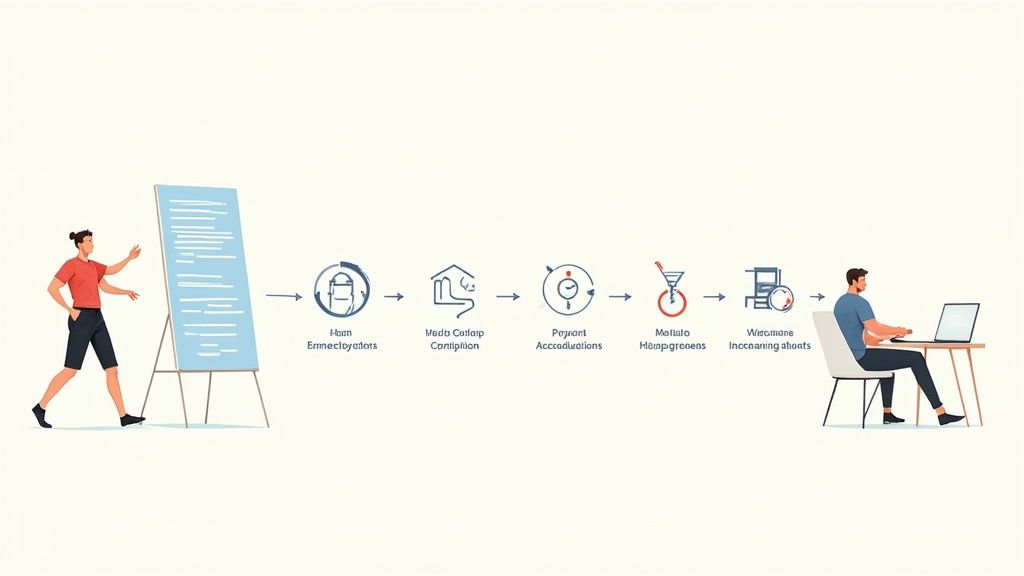
For startups, understanding the true cost of hiring goes beyond salary. It includes various factors that can significantly impact your financial runway. Let’s explore the hidden expenses associated with bringing new talent on board and discuss how to optimize your hiring strategy.
Unmasking the Hidden Costs of Recruitment
Many startups fixate on salary when budgeting for new hires. However, the real expenses extend much further. Recruitment costs, such as job postings on platforms like LinkedIn, agency fees, and the time investment in interviewing, can quickly accumulate. Onboarding and training also require significant resources.
There’s also the cost of lost productivity while a new hire gets up to speed. This ramp-up period can last weeks or even months, impacting output and potentially delaying key initiatives. Making informed hiring choices is crucial for maintaining momentum.
The average cost per hire is around $4,700, but this varies depending on the role and industry. For startups with limited budgets, leveraging referrals can be a highly effective strategy. Referred candidates are 18 times more likely to be hired, saving companies an average of $7,500 in productivity and sourcing costs. Don’t forget, the true cost often includes training and lost productivity, which can be three to four times the new hire’s salary. Strategic hiring is vital for success.
Let’s take a closer look at a breakdown of these costs at different startup stages:
To help illustrate the costs involved, let’s look at a table summarizing the true cost of hiring at different stages of a startup.
| Expense Category | Early-Stage Startup | Growth-Stage Startup | Cost-Saving Strategies |
|---|---|---|---|
| Job Postings | $500 – $1,500 | $1,000 – $3,000 | Utilize free job boards, leverage social media |
| Recruiter Fees | $0 – $5,000 | $5,000 – $20,000 | Prioritize internal recruiting, employee referrals |
| Onboarding & Training | $1,000 – $3,000 | $2,000 – $6,000 | Develop standardized training materials, mentorship programs |
| Lost Productivity | $2,000 – $6,000 | $4,000 – $12,000 | Streamlined onboarding process, clear performance expectations |
| Benefits (for full-time employees) | $5,000 – $15,000 per year | $10,000 – $30,000 per year | Consider flexible benefit packages, negotiate with providers |
This table highlights the escalating costs associated with hiring as your startup grows. While early-stage startups might focus on minimizing expenses related to job postings and recruiter fees, growth-stage startups often face higher costs associated with benefits and lost productivity due to more specialized roles and complex projects.
Full-Time vs. Contractor: A Financial Balancing Act
Startups face a critical decision: hiring full-time employees or contractors. Each option has financial implications. Full-time employees offer stability, cultural integration, and long-term investment in your team. They also come with added expenses like benefits and payroll taxes.
Contractors offer flexibility and specialized skills for specific projects. While their hourly rate may seem higher, you avoid the overhead of full-time employees. Carefully consider your current needs, project timelines, and long-term goals when making this decision.
Optimizing Your Hiring Budget for Maximum ROI
Maximizing your return on investment (ROI) when hiring is crucial for resource-constrained startups. Prioritize roles directly contributing to revenue generation or product development. Focusing on key hires that quickly impact your bottom line ensures efficient resource allocation.
Another strategy is negotiating salaries and benefits packages aligned with your startup’s stage and financial reality. Transparency and open communication with potential hires can often lead to mutually beneficial agreements, stretching your budget without compromising talent.
Strategic Hiring for Long-Term Growth
Addressing immediate talent needs is essential, but startups must also consider long-term goals. This involves building a scalable hiring process. Investing in an Applicant Tracking System (ATS) or developing a talent pipeline ensures a steady stream of qualified candidates. Fostering internal growth and promoting from within is a cost-effective way to fill senior roles and boost morale.
Building Diverse Teams That Drive Innovation
Diversity and inclusion (D&I) are essential for startup success. Building a diverse team isn’t about appearances; it fosters innovation, expands perspectives, and strengthens your startup’s core. This section explores practical ways to cultivate diversity, even with limited resources.
Eliminating Unconscious Bias From Your Hiring Funnel
Unconscious biases can unintentionally affect hiring. Recognizing and addressing these biases is key to building an inclusive team. Blind resume screening, removing identifiers like names and schools to focus on skills and experience, is one effective method.
Another approach is structured interviews, using the same questions for all candidates. This creates equal footing and reduces bias in hiring decisions. It also ensures consistent evaluation of candidate responses.
Writing Inclusive Job Descriptions That Attract Diverse Talent
Job description language can attract or deter diverse candidates. Avoid gendered terms and language that might exclude certain groups. Prioritize inclusive language reflecting your startup’s commitment to diversity.
For example, instead of “rockstar” or “ninja,” use neutral, descriptive language highlighting the required skills and experience. Clearly outlining responsibilities and growth opportunities can also attract a broader applicant pool.
Creating Equitable Interview Processes
The interview process is crucial for assessing candidates and promoting inclusivity. Ensure diverse representation on the interview panel to offer varied perspectives and mitigate bias. Training interviewers on D&I best practices helps ensure fair and objective assessments.
A welcoming and inclusive interview environment is also essential. Consider accessibility needs and ensure all candidates feel comfortable and respected. You might find this helpful: How to master your talent management strategy.
Implementing Meaningful D&I Initiatives
Meaningful D&I initiatives don’t require extensive resources. Begin with clear D&I goals and track progress. Consider mentorship programs or partnering with organizations like Diversity Best Practices that champion diversity in your industry. The importance of D&I in hiring is significant. In 2025, diverse and inclusive companies are 35% more likely to outperform competitors, making D&I a business imperative. Startups are integrating AI-powered bias detection into job descriptions and creating diverse interview panels.
Measuring the Impact of Diversity Efforts
Tracking D&I metrics, such as applicant pool diversity and team representation, provides valuable data. This data helps assess initiative effectiveness and pinpoint areas for improvement.
Regularly measuring and analyzing these metrics demonstrates the business value of D&I efforts. This allows for data-driven decisions to further your startup’s commitment to diversity and inclusion, reinforcing its contribution to overall success.
Evaluating Candidates Beyond Surface Credentials
Traditional interviews often don’t accurately predict a candidate’s on-the-job performance. How can startups move past impressive resumes and find truly exceptional team members? The key is using evidence-based approaches that showcase a candidate’s real potential. This means looking beyond surface credentials and using strategies that assess skills, cultural fit, and potential for growth.
Designing Role-Specific Assessments
One effective strategy is creating role-specific assessments that mimic real-world job tasks. For example, asking a software developer to debug code or a marketing manager to draft a campaign outline offers valuable insights into their practical skills. These assessments can be more accurate in predicting future performance than traditional interview questions. This hands-on approach allows you to witness a candidate’s problem-solving skills, creativity, and attention to detail firsthand.
Implementing Structured Interviews
Structured interviews, where every candidate receives the same pre-determined questions, minimize bias and create a more equitable evaluation process. This consistent approach enables a more objective comparison between candidates. Asking behavioral questions, such as “Describe a time you tackled a challenging project,” reveals a candidate’s past experiences and how they approach obstacles.
Evaluating Cultural Contribution
Rather than relying on the vague idea of “culture fit,” assess a candidate’s potential cultural contribution. This focuses on how a candidate can enrich and enhance your startup’s current culture. Seek out candidates who align with your company’s values and possess strong soft skills for effective collaboration. This creates a more inclusive and dynamic team environment.
The startup hiring landscape is always evolving, especially with the rise of remote and hybrid work models. As of 2022, 62% of new hires at tech startups were located in a different state than their company’s headquarters. This is a significant increase from 35% in 2019. While accessing a global talent pool reduces operational costs, it also emphasizes the need for adaptable hiring strategies. For a deeper dive into these trends, see: Tech Hiring Trends for Startups
Identifying Growth Potential
Finding candidates with growth potential is essential for sustained success. Prioritize individuals with a strong desire to learn, adaptability to change, and a proactive approach. These qualities are highly valuable in a fast-paced startup environment. Instead of only focusing on current skills, consider a candidate’s willingness and ability to acquire new skills and take on greater responsibility. You might find this helpful: Startup Hiring Best Practices
Rethinking Traditional Qualifications
Many innovative startups are reconsidering traditional qualifications. By expanding their search beyond specific degrees or years of experience, they access overlooked talent pools. This strategy unlocks diverse perspectives and innovative thinking often missed by competitors. Prioritizing skills, potential, and cultural contribution over conventional credentials can uncover hidden talent and build a stronger, more dynamic team.
Ready to build your ideal team without the usual hiring difficulties? Shiny provides a unique fractional executive marketplace, connecting startups with seasoned executives for 5 to 25 hours per week. Learn more and get started at Shiny.