Strategic Planning Process Steps: Your Step-By-Step Guide to Transformative Strategy
Breaking Down the Strategic Planning Process

Strategic planning helps organizations grow and succeed by giving teams a shared direction. Many organizations find it challenging to turn plans into real results. Let’s explore the key steps to build an effective strategy that gets results.
Defining Your Starting Point: Analysis and Assessment
The first step is getting a clear picture of where you are now. Take a detailed look at your internal capabilities and external environment. Think of it like taking inventory – what resources do you have, what are your strengths and weaknesses, and what opportunities and threats exist? This assessment creates the foundation for smart decisions.
Setting a Clear Vision and Mission
Once you understand your current position, define where you want to go. Create a vision statement that paints a picture of your desired future. Pair this with a mission statement that explains your core purpose and how you’ll achieve that vision. These statements guide your team and maintain focus on key priorities.
Establishing Strategic Objectives
Strategic objectives help bridge the gap between today and tomorrow. Make your objectives specific, measurable, achievable, relevant, and time-bound (SMART). For example, you might aim to grow market share by 15% in two years. Clear objectives give teams concrete targets and help track progress.
Developing Action Plans
Plans need specific steps to become reality. Break down each objective into detailed actions. Determine who owns each task, what resources they need, and when it needs to be done. Action plans are your roadmap from ideas to implementation. Clear communication is essential – studies show 95% of employees don’t understand their company’s strategy.
Implementation and Monitoring
The final step is putting your plan into action with consistent monitoring. Track progress toward objectives and make adjustments as needed. Regular check-ins ensure your strategy stays relevant and effective as conditions change. This ongoing process helps your plan drive continued organizational success.
Crafting Your Strategic Planning Framework
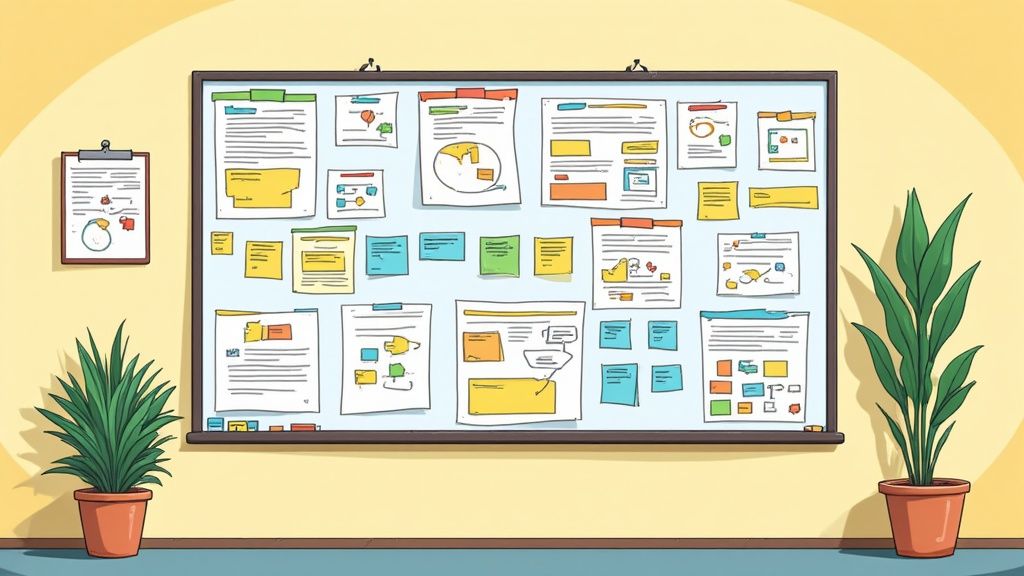
A strong framework is key to making your strategic planning successful. It serves as a roadmap to guide your team and keep everyone focused on the same goals. Just like blueprints guide construction, your framework directs how you’ll turn your strategic vision into concrete results.
Key Components of an Effective Framework
Every solid framework needs these essential pieces working together. At its core are your mission and vision statements, clear objectives, and detailed action plans. Think of these as the building blocks of your strategy:
- Mission Statement: A clear definition of why your organization exists
- Vision Statement: Your desired future for the organization
- Objectives: Specific and measurable goals with deadlines (SMART goals)
- Action Plan: Step-by-step tasks to achieve your objectives
Building Your Framework: A Step-by-Step Guide
While each organization’s approach differs, these key steps will help you build an effective framework:
- Define Your Purpose: Start with your mission and vision – the “why” behind everything you do
- Set Clear Goals: Create specific objectives that support your mission
- Create Action Plans: Break goals into smaller tasks with owners and deadlines
- Assign Resources: Determine what people, budget and tools you’ll need
- Track Progress: Set up ways to measure success and stay on course. Regular check-ins help you adapt as needed. A good plan stays flexible as conditions change.
Adapting Your Framework for Change
Your framework needs room to grow and change with your business. Regular reviews help ensure it stays relevant. You may need to update goals or plans when market conditions shift. This ongoing process keeps your framework effective.
Tools and Templates for Framework Development
Many helpful tools exist for building your framework. These resources add structure and make the planning process smoother. Just remember to customize them for your specific needs.
By following these guidelines, you’ll create a framework that turns your vision into action through clear direction, shared goals, and measurable progress. A well-designed framework brings your team together and helps your organization grow sustainably.
Building Stakeholder Buy-In and Engagement

Strategic planning works best when it involves everyone who has a stake in the outcome. For a plan to succeed, key stakeholders need to actively participate and support the process, not just receive updates. When people feel ownership of the plan, they’re much more likely to help make it happen.
Identifying Your Key Stakeholders
Start by mapping out everyone who will be affected by or can influence your strategic plan. This includes employees at all levels, customers, suppliers, board members, and community members. For example, front-line staff often have unique insights into customer needs and daily challenges that can strengthen the plan. Transform Consulting Group has seen success by involving diverse voices – from internal teams to external partners – in their planning work with Early Learning Indiana.
Communication and Collaboration Strategies
Clear communication helps build support for your strategic plan. Share why you’re creating the plan, what benefits it will bring, and how people can contribute their ideas. Use a mix of formats like presentations, workshops, surveys and discussion forums to create real dialogue. Regular updates keep everyone informed and engaged throughout the process.
Addressing Concerns and Resistance
Some stakeholders may worry about how changes will affect their work or feel uncomfortable moving away from familiar ways of doing things. Listen to these concerns openly and address them head-on. This might mean explaining your reasoning, providing training and support, or adjusting plans to minimize disruption. With the right approach, skeptics can become champions of the new direction.
Facilitating Productive Planning Sessions
Well-run planning meetings are key to getting useful stakeholder input. Set clear goals for each session, create a focused agenda, and use techniques that encourage participation. Visual aids and interactive exercises like brainstorming or SWOT analysis help keep people engaged and surface valuable insights.
Turning Input into Action
Gathering feedback only matters if you use it to shape the final plan. Create a clear process for incorporating what you learn and let people know how their input influenced the outcome. This shows you take their perspectives seriously and helps maintain their commitment during implementation. When everyone understands both the goals and their role in achieving them, you build momentum for lasting positive change.
Turning Strategy Into Measurable Action

A strategic plan needs effective execution to succeed. This means converting high-level objectives into specific actions and monitoring results to maintain progress. Here’s how to put your strategy into practice.
From Objectives to Actionable Steps
Breaking down your strategic objectives into clear tasks is essential. This involves assigning specific responsibilities, deadlines, and resources to each component. Think of planning a cross-country road trip – while reaching your destination is the goal, you need detailed stops and milestones mapped out to guide your journey effectively.
Defining Key Performance Indicators (KPIs)
Set concrete Key Performance Indicators (KPIs) to measure success. These metrics show real progress toward your goals. For example, if you aim to boost customer satisfaction, track your Net Promoter Score (NPS). Pick KPIs that connect directly to your key objectives.
Building Accountability and Tracking Progress
After establishing action steps and KPIs, create a system to monitor progress and maintain team accountability. Schedule regular check-ins, team updates, and performance reviews to keep everyone focused on shared goals. Open communication helps spot potential issues early.
Adapting and Adjusting Your Strategy
Strategic planning must be flexible. Review your KPIs and progress regularly, making adjustments when needed. This could mean updating action items, shifting resources, or revising objectives based on new information and results.
Celebrating Successes and Recognizing Effort
Remember to acknowledge team achievements and hard work. Celebrating wins boosts team spirit and shows the real impact of strategic planning. When people see their efforts making a difference, they stay motivated to reach future goals. Following these practical steps creates a strategy that gets results and helps your organization grow sustainably in today’s market.
Mastering Strategic Planning Timelines
A clear timeline helps guide the strategic planning process. Like project managers who rely on Gantt charts, a strategic plan requires defined timeframes to maintain forward progress and achieve results. This means carefully organizing each phase, starting with initial research and continuing through implementation.
Defining Your Planning Horizon
The first step is deciding how far ahead you want to plan. While some organizations look 5-10 years into the future, others focus on 1-3 year periods. Your ideal timeframe depends on factors like market conditions, company size, and goals. Fast-moving industries often benefit from shorter planning cycles that allow quick adjustments.
Structuring Your Planning Process: Key Phases
Break down your planning process into clear stages:
- Research and Analysis: Study internal capabilities, market conditions, competitor positions, opportunities and risks
- Strategy Development: Create your vision, mission, objectives and core strategies
- Implementation Planning: Map out specific action steps, resources needed, and timelines
- Execution and Tracking: Put the plan into action while monitoring key metrics and adjusting as needed
- Review and Updates: Assess results at regular intervals and update strategies for the next cycle
Setting Realistic Timeframes
Give each phase enough time for thorough work. As a guideline, allocate 4 weeks for research, 3 weeks for strategy development, 2 weeks for implementation planning, and the remaining time for execution and monitoring. According to OnStrategy, aim to complete the initial planning within 90 days.
Maintaining Team Energy
Keep momentum strong by:
- Setting clear phase deadlines and milestones
- Holding regular check-in meetings to track progress
- Keeping all stakeholders informed and engaged
- Celebrating achievements to boost motivation
Balancing Quick Wins and Long-Term Goals
While focused on your long-term vision, build in early successes. Include achievable short-term objectives that align with broader goals. These quick wins help demonstrate progress and keep teams motivated while working toward major milestones. The key is finding the right mix of immediate results and sustained growth. With well-planned timelines and consistent stakeholder engagement, strategic planning becomes an active driver of organizational success rather than just a document.
Building Adaptable Strategic Plans
Strategic planning today requires agility and adaptability. Even carefully designed plans can become obsolete quickly due to rapid market changes. This section shows how leading organizations build resilient strategies while maintaining focus on key objectives.
Understanding Change as an Opportunity
Creating an adaptable strategic plan starts with seeing change as a tool for growth rather than an obstacle. Instead of avoiding new technologies or market shifts, forward-thinking organizations actively explore opportunities within them. Taking this proactive stance helps companies stay agile and ready to act on emerging trends.
Keeping Watch on External Factors
Successful organizations continuously monitor their environment, tracking competitors, technology updates, market trends, and regulatory changes. This ongoing awareness provides early signals of both challenges and opportunities. Like a ship’s navigation system scanning for hazards and favorable routes, environmental monitoring gives companies time to adjust course when needed.
Building Flexibility into Planning
Adaptable planning requires flexibility at every stage. Break larger goals into shorter milestones that allow for regular assessment and course correction. This approach maintains responsiveness to market shifts while keeping core objectives in focus.
Regular Strategy Reviews
Much like tending a garden, strategic plans need consistent attention and care. Set up quarterly or biannual reviews to evaluate progress, analyze results, and make needed adjustments. These periodic checks help keep plans current and effective.
Practical Tools for Adaptable Planning
Key tools that support adaptability include:
- Scenario Planning: Map out different possible futures and create response plans
- Key Performance Indicators (KPIs): Use metrics to spot early warning signs and measure adjustments
- Agile Methods: Apply iterative development principles focusing on quick feedback and adaptation
These approaches help organizations build resilient strategies that can adapt and succeed through change.
Looking to build a more adaptable organization? Shiny connects startups with experienced executives who work 5-25 hours per week. Our marketplace offers a cost-effective way to add proven leadership talent to your team. Visit us to find the executive expertise you need to guide your organization forward.