
Fractional AI Leadership: Your Guide to AI Development Services
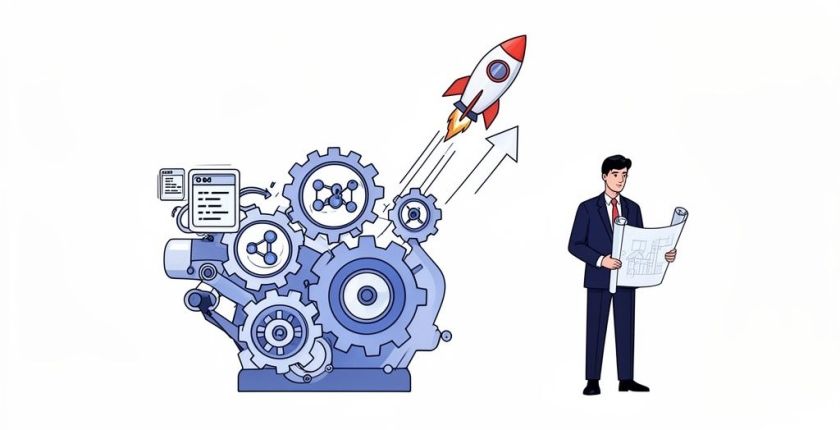
What are AI development services? Imagine hiring an architect and a specialized construction crew to build a custom, high-performance engine for your business. Instead of a generic, off-the-shelf motor, you get a system engineered from the ground up to solve your unique challenges and accelerate growth.
This partnership turns a business pain point into a tangible AI solution. It’s a hands-on process where specialists—guided by expert leadership—dig into your challenges to build a system that delivers real, measurable results.
What Are AI Development Services and Why Do They Matter?
For a long time, AI felt like a futuristic tool reserved for tech giants with massive R&D budgets. That’s just not the case anymore. The rise of powerful, accessible AI tools and cloud computing has opened the door for businesses of all sizes to get in on the action.
We’re seeing this shift firsthand. The global AI as a Service (AIaaS) market, a key component of these services, is projected to skyrocket from $28.81 billion in 2026 to an incredible $240.48 billion by 2034. This trend shows a clear move away from heavy, upfront infrastructure costs toward flexible, expert-led solutions that deliver value quickly. You can dig deeper into this growth in the AIaaS market report from Fortune Business Insights.
Working with an AI partner isn't just about adopting new tech; it's about building a serious competitive advantage. By transforming your complex data into clear, actionable intelligence, these services help you make your business better.
The Real-World Business Advantage
So what does this actually look like in practice? An AI development partner helps you build smarter products and operate more efficiently in a few key ways:
- Boost Operational Efficiency: Automate repetitive tasks that drain your team's time. This frees them up to focus on strategic work that moves the needle. For example, an AI system can handle routine customer service tickets or process thousands of invoices without manual entry.
- Create Better Customer Experiences: Deliver truly personalized recommendations, support, and interactions that make customers feel understood. An e-commerce site using AI to intelligently suggest products a user will love based on their browsing patterns is a classic example of this in action.
- Unlock Hidden Insights in Your Data: Sift through enormous datasets to spot patterns, forecast trends, and make smarter business decisions. You could uncover a new market opportunity or a customer segment your competitors have missed.
At their core, AI development services are about building a system that delivers on a specific business outcome. The table below breaks down the main pillars you'll typically find in a comprehensive service offering.
Core Components of AI Development Services
| Component | What It Means for Your Business | Example Application |
|---|---|---|
| AI Strategy & Consulting | A clear roadmap that aligns AI initiatives with your core business goals. | Defining whether a chatbot or a data forecasting model will deliver the highest ROI for your sales team. |
| Data Science & Analytics | Cleaning, preparing, and analyzing your data to find valuable patterns. | Analyzing customer purchasing data to identify which products are most often bought together. |
| Machine Learning (ML) Modeling | Building and training custom algorithms that learn from your data to make predictions or decisions. | Developing a model that predicts customer churn based on their recent activity and support interactions. |
| AI Solution Integration | Weaving the new AI system into your existing software and workflows for a seamless experience. | Integrating a new AI-powered recommendation engine directly into your e-commerce platform’s homepage. |
| Ongoing Support & Optimization | Monitoring the AI model's performance and retraining it over time to ensure it stays accurate and effective. | Regularly updating a fraud detection model with new transaction data to catch emerging scam tactics. |
Ultimately, each of these components works together to ensure you're not just getting a piece of technology, but a complete solution that grows with your business and continues to deliver value long after the initial launch.
The Step-by-Step AI Development Lifecycle
Building an AI solution can feel overwhelming, like a black box. Let's demystify it. A good analogy is building a custom home. You wouldn’t pour a foundation without a detailed blueprint, and you definitely wouldn't let the crew work without an expert architect overseeing the project.
The AI development lifecycle works the same way. It's a structured path where each stage builds on the last, ensuring the final product is solid, effective, and aligned with your business needs. It turns a vague idea into a clear roadmap, giving you a solid grasp of what's happening at every step.
This journey—from a business problem to a working AI solution—is the standard playbook for any good AI development service.

As you can see, AI development services are the engine that turns a business problem into a tangible solution. It’s all about transforming a challenge into a functional asset for your company.
Phase 1: Strategy and Discovery
This is your blueprinting phase. It all starts by getting crystal clear on the problem you're trying to solve and what a "win" looks like for the business. A successful project always kicks off with the right questions: What specific process are we trying to improve? How will we measure success?
Your development partner will jump in here to help you:
- Pinpoint Business Objectives: They'll work with you to make sure the AI project is directly tied to your company’s big-picture goals, ensuring it actually delivers real value.
- Run a Feasibility Check: Is this idea even possible? They'll help you figure out if you have the right kind of data and if the solution is technically achievable.
- Define the Scope and KPIs: Together, you’ll map out a detailed project plan with clear milestones and Key Performance Indicators (KPIs) to track progress.
Phase 2: Data Preparation and Modeling
Think of this part as sourcing and preparing your premium building materials. An AI model is only ever as good as the data you feed it. This phase is often the most time-consuming part of the whole project, but it’s absolutely essential for a successful outcome. The market for AI Data Services was valued at $3.42 billion in 2025 and is projected to hit $12.87 billion by 2034—that tells you just how important this step is. You can dig into the full research on these AI data market trends on intelmarketresearch.com.
This is where the heavy lifting happens. It involves gathering, cleaning, and labeling huge amounts of data to create a high-quality dataset. Once the data is prepped, data scientists get to the specialized construction work: model development. This is where they build and train algorithms to spot patterns and make predictions.
Phase 3: Deployment and Maintenance
This last phase is like the final walkthrough and getting the keys to your new home. The trained AI model is plugged into your existing software, apps, or business workflows. But the job isn't done just because you’ve launched. For more on managing complex technical rollouts, our guide to effective software development project management has some great insights.
The system needs constant monitoring and upkeep to make sure it stays accurate as new data flows in. Over time, models might need to be retrained or adjusted to keep up with changing business needs, which ensures your AI solution keeps delivering value for the long haul.
Exploring the Types of AI Development Services

"AI development" can mean several different things. Choosing the right service is like picking the right tool for a job—you wouldn't use a sledgehammer to hang a picture frame. The business problem you’re trying to solve will point you to the right type of service.
Getting this right from the start helps you have much more productive conversations with potential partners. Let’s break down the three main flavors of AI services. Each one is designed for a different stage of business need, from sketching out a plan to building something entirely from scratch.
AI Strategy and Consulting
Think of this as bringing in an architect before you start laying the foundation. AI strategy consulting is perfect for businesses that feel they need to do something with AI but don't know where to begin. It's a low-risk way to get your bearings and create a solid plan before committing serious capital.
An AI strategist can help you:
- Identify High-Impact Opportunities: They’ll dig into your operations to find the spots where AI can deliver the biggest wins, whether that’s boosting efficiency or opening up new revenue streams.
- Create a Technical Roadmap: You’ll get a clear, step-by-step plan that maps out the data, tech, and people you’ll need to make it happen.
- Assess AI Readiness: The consultant will evaluate your current data setup and team skills to see if your company is truly ready to execute an AI project successfully.
This service hands you a blueprint, making sure your investment is strategic rather than a shot in the dark.
AI Integration Services
If you already have a good software stack but want to make it smarter, AI integration is your answer. This is all about weaving intelligence into the tools you already use—like your CRM, ERP, or customer support platform—without having to build a whole new system.
For example, an integration partner could plug a natural language processing (NLP) model into your customer service software. Suddenly, your system can automatically read and categorize support tickets by topic and urgency, sending them to the right person instantly. This injects a powerful AI feature directly into your existing workflow.
This approach gets you results faster and is usually more budget-friendly than a full custom build. It’s a great way to add superpowers to the tools your team relies on every day.
Custom AI Model Development
When an off-the-shelf tool just won’t cut it, it’s time for custom AI model development. This is for businesses aiming to build a true competitive moat with a solution created for their specific data and unique problems. It’s the most involved option, but it also has the highest potential for a game-changing return.
Demand for these bespoke AI solutions is exploding. The market for custom software development, which is closely tied to these services, was a massive $43.16 billion in 2025 and is expected to hit $109.5 billion by 2034. This growth shows just how many businesses are realizing they need AI features that generic tools simply can't offer. You can find more on these custom software development trends at keyholesoftware.com.
Knowing which path to take is a huge decision. A fractional AI leader can offer the seasoned guidance you need to evaluate your situation and choose wisely, ensuring your investment is both smart and effective.
How to Choose the Right AI Development Partner
Picking the right partner for your AI project is the single most important decision you'll make. A great partner accelerates your ROI, while a poor fit can burn through your budget and leave you with a stalled project.
It’s a tough stat to swallow, but a staggering 80% of AI initiatives fail. More often than not, it’s because of a mismatch between a company’s goals and the vendor they chose.
This isn’t about finding the team with the slickest tech demos. It’s about finding a true partner who understands your business, speaks your language, and is transparent about their process. You need a team that looks past the code and focuses on the actual business value you’re trying to create.
Beyond the Sales Pitch
To find the right fit, you have to get past the generic questions and dig into what they’ve actually accomplished. A polished sales pitch can easily mask a lack of real-world experience. Your job is to uncover their process and see if it truly lines up with your long-term vision.
Start by asking questions that force them to show, not just tell. This moves the conversation from what they claim they can do to what they have done.
Here are a few questions to have in your back pocket:
- Show, Don't Tell: "Can you walk me through a project you completed with data challenges similar to ours? How did you solve them?"
- Measuring What Matters: "How do you define project success beyond technical metrics like model accuracy? What business KPIs do you focus on?"
- Handling Roadblocks: "Tell me about a time an AI project went off the rails. What happened, how did you communicate it to the client, and what was the outcome?"
- Post-Launch Plan: "What does your support and maintenance look like after a solution goes live? How do you ensure it continues to deliver value over time?"
Key Vetting Criteria
When you’re evaluating potential partners, zero in on a few key areas that are strong signs of a successful relationship. Don't get bogged down in technical jargon; focus on these practical points.
A partner’s real value isn't just in their technical skills, but in their ability to translate those skills into tangible business outcomes. Their communication style, industry knowledge, and long-term support are just as important as the algorithms they build.
A Practical Vetting Checklist:
- Industry Experience: Have they worked in your sector before? A partner with experience in your industry already knows its unique compliance rules, customer habits, and data quirks. This saves you from a painful—and expensive—learning curve.
- Communication & Transparency: How do they plan to keep you in the loop? Look for a firm commitment to regular check-ins, clear progress reports, and a dedicated point of contact. Vague communication is a massive red flag.
- Team & Expertise: Who will actually be working on your project? Ask to meet the project lead and key data scientists to make sure their expertise is what you really need. Understanding their team structure is critical, and our guide on how to hire a CTO offers great insights for vetting technical leadership.
Your Secret Weapon: Fractional AI Leadership

For startups and growing companies, betting on AI can feel like putting all your chips on one number. The potential upside is huge, but so are the risks. A wrong turn in strategy or a botched execution can burn through capital and leave you with a stalled project—a painful reality when nearly 80% of AI initiatives fail.
This is where fractional AI leadership comes in as a game-changer.
Think about building that custom, high-tech home again. You wouldn’t just give a pile of cash to a construction crew and hope for the best. You’d bring in a world-class architect—someone to draw the blueprint, vet contractors, and oversee every stage to ensure it’s built right, on time, and without costly blunders.
A fractional AI leader is that architect for your technology project. They are seasoned executives who bring top-tier experience to your team for a fraction of a full-time hire's cost. They are the expert guide who connects your ambitious business goals to a successful technical reality.
De-Risking Your AI Investment
The number one job of a fractional AI executive is to de-risk your investment in AI development services. They become your internal champion and expert, making sure every dollar you spend is directly linked to a clear business outcome. What was once a speculative tech venture becomes a calculated, strategic move.
This hands-on guidance is vital from the very beginning. A fractional expert doesn’t just manage the project; they shape it for success by zeroing in on a few critical areas:
- Strategic Alignment: They ensure the AI solution is built to solve a genuine business problem, not just to jump on the latest tech trend.
- Vendor Vetting: They use their deep industry knowledge to help you pick the right development partner, asking the tough questions you might not even know to ask.
- Project Oversight: They steer the development lifecycle, keeping the project on track, on budget, and always pointed toward your core goals.
- Value Guarantee: Their focus is squarely on ensuring the final product delivers tangible value, whether that’s boosting efficiency, driving revenue, or creating a standout customer experience.
C-Suite Expertise Without the C-Suite Price Tag
Hiring a full-time, senior AI executive is a massive financial commitment—a move that most startups and SMBs simply can’t justify, especially when just starting to explore AI. The fractional model gives you access to that same caliber of talent in a way that’s flexible and capital-efficient.
By engaging a fractional AI leader, you gain the strategic oversight of a Chief Technology Officer or Chief AI Officer for 5 to 25 hours a week. This provides the critical guidance needed to navigate complex AI projects while preserving your capital for growth.
This model is especially powerful for businesses that need high-level strategic direction but don’t have a large, in-house team that requires full-time management. To see how this model works for broader tech leadership, check out our ultimate guide to fractional CTO services and how the same principles apply to AI. It’s all about getting the right expertise at the exact moment you need it most.
This seasoned leadership helps you get to market faster by sidestepping the common traps that derail so many AI projects. They bring the technical and strategic clarity you need to make confident decisions, turning your AI vision into a reality that moves your business forward.
Your Top Questions About AI Development, Answered
Even with a strong strategy, diving into AI brings up real questions about cost, timelines, and team structure. As a business leader, you need straight answers to make smart decisions. Here are the most common questions we hear from founders and CEOs planning their first major AI project.
How Much Do AI Development Services Actually Cost?
There's no single price tag for AI development services. The cost varies widely depending on project complexity, the state of your data, and the type of partner you choose.
To give you a better feel, we can break projects down by scale:
- Proof-of-Concept (PoC): This is your starter project to test an idea's viability. Expect to invest in the $25,000 to $50,000 range. The goal is pure validation before you commit serious resources.
- Custom AI Solution: Building a more complex, custom model to automate a core business function is a bigger lift. This can run anywhere from $100,000 to over $500,000. The final number depends heavily on the depth of integrations and, critically, the amount of data wrangling required.
Remember, the payment structure also affects the total cost. A fixed-price contract offers budget certainty, while a time-and-materials model provides flexibility for evolving projects. The most important thing is to demand a detailed scope of work so you know exactly what you’re paying for.
A fractional AI leader is invaluable here. They can help you define a precise scope, vet vendor quotes, and ensure you're paying a fair price for the value you're getting.
What's a Realistic Timeline for an AI Project?
Timelines are tied directly to your project’s scope, but the biggest factor by far is the readiness of your data. If your data is clean, organized, and accessible, your project will move much faster.
Generally, here's what you can plan for:
- A pilot or proof-of-concept can usually be completed in 2 to 4 months.
- A full-scale custom AI solution—from the first strategy session to final deployment—typically takes 6 to 12 months.
Don't underestimate the data work. The data collection and cleaning phase is almost always the most time-consuming part of the process. Having an experienced partner and a clear strategic lead—like a fractional AI executive—can significantly shorten your timeline by navigating common roadblocks and keeping the project focused.
Do I Need a Full-Time AI Team to Get Started?
No, and for most small to medium-sized businesses, we strongly advise against it. Hiring a full-time, in-house AI team is expensive, the competition for talent is fierce, and it's a huge risk—especially if you haven't yet proven the ROI of your AI strategy.
A much smarter, more capital-efficient approach is to start with external AI development services for the initial build and bring on a fractional AI executive for oversight. This hybrid model gives you top-tier strategic leadership for 5 to 25 hours a week without the massive salary and long-term commitment of a full-time C-suite hire. It lets you prove your AI initiative works before you even think about building and scaling an internal team.
Navigating the world of AI development demands more than just technical skill; it requires strategic leadership. At Shiny, we connect you with vetted, experienced fractional executives who provide the expert guidance you need to de-risk your investment and accelerate success.
Ready to find the right leader for your AI initiative? Schedule a consultation with us today.
